
Welcome to the Tropical Dome
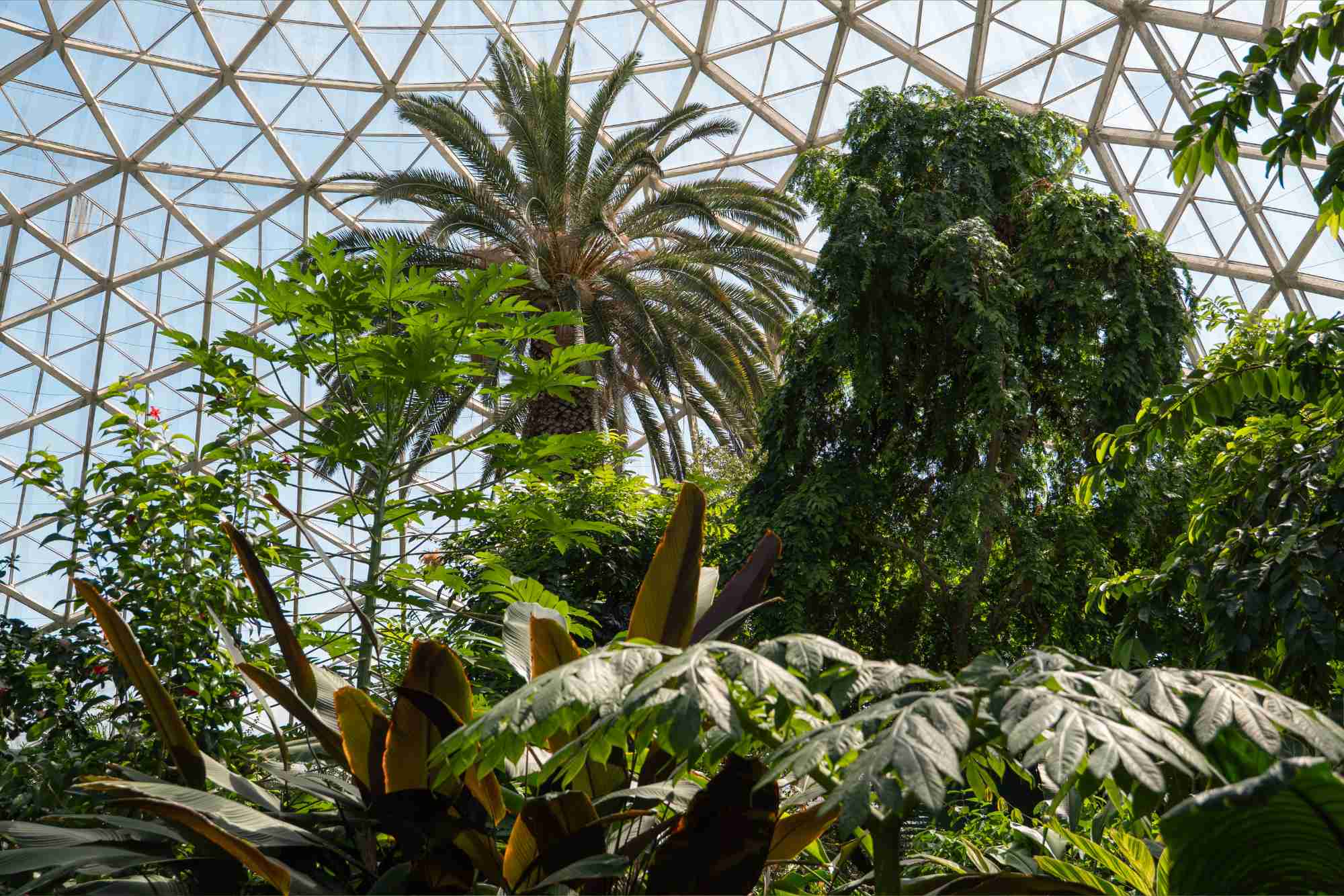
The humid air, bird calls and earthy aroma let you know you’ve entered a world far from Wisconsin. In our microcosm of the rainforest, you’ll encounter orchids, lush foliage, economic plants and a beautiful waterfall. The tropical dome features over 1,200 species of tropical plants as well as tropical birds in this area of less than 15,000 square feet. This corresponds to the kind of diversity that might be found in many tropical regions.
More than half of earth’s species of plants and animals are found in these very wet and warm places, which typically receive 80 – 400 inches of rainfall annually. Temperatures in the rainforests range between 75 – 80° F every day of the year, which is why our Tropical Dome is kept warm and humid and plants are watered twice a day.
As you tour the Tropical Dome, take care to look up, as well as from side to side. In addition to the plants, there are several species of tropical finches, koi fish, frogs and toads, and even a world of insects living here.
Our Tropical Collection
Exotic House Plants
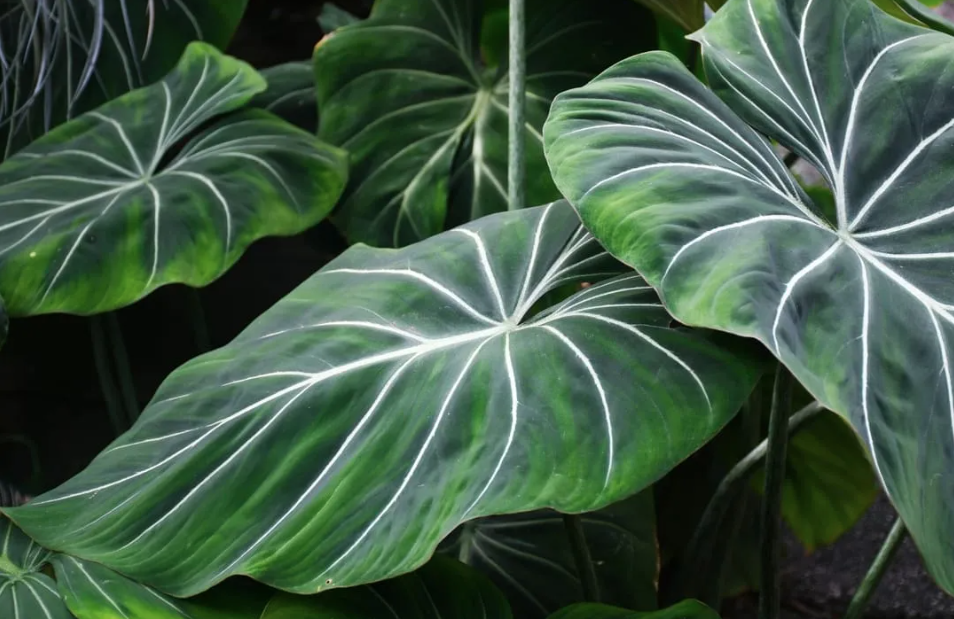
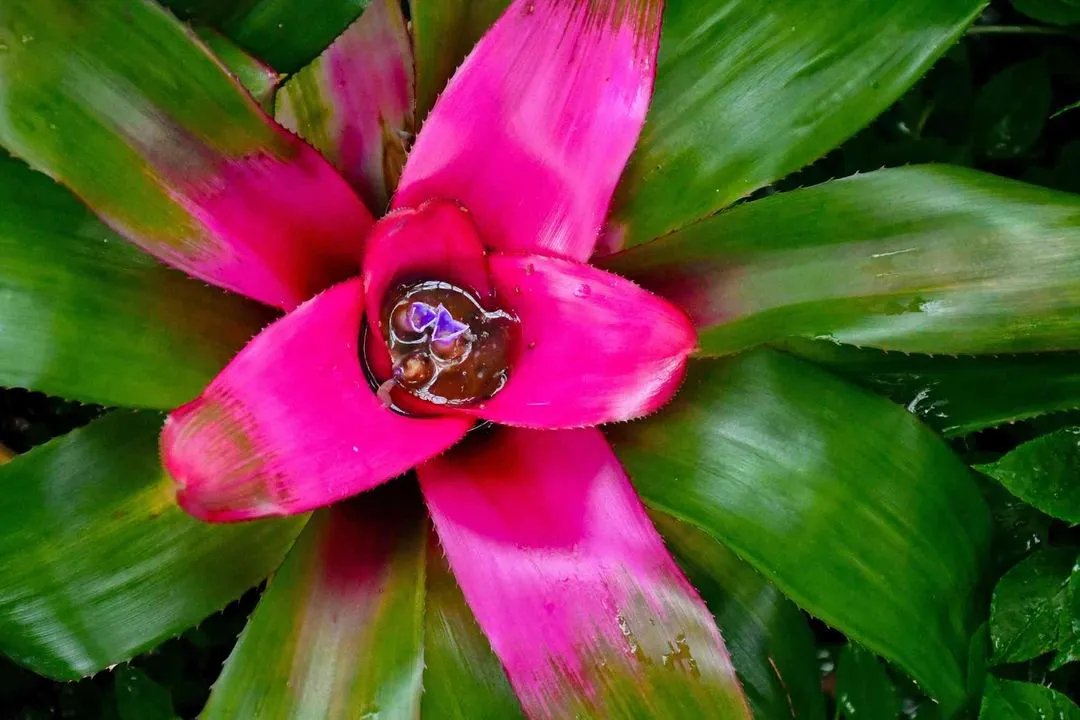
Plants make us happy – and many of the plants that have made their way into our homes originated in the rainforest, this includes Philodendrons, Peperomias, Bromeliads, Orchids, Ferns, Dracaena and Spathiphyllum. Other flowering plants that provide vibrant color to the tropical exhibit include Hibiscus, Anthurium, Calliandra, Clerodendron, Crinum and Heliconia.
Animal Residents
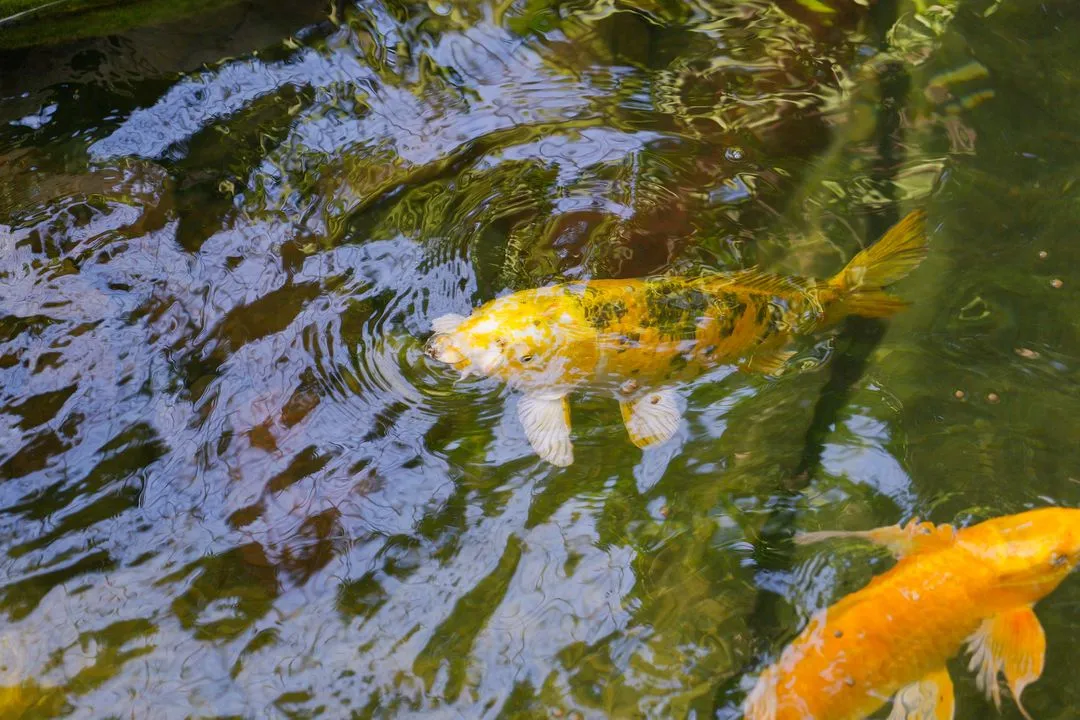
While you’re exploring the Tropical Dome make sure to look up to spot some of our resident birds, which include the Orange Bishop’s Weaver, and make sure to look down in the pond to see our collection of Koi fish.
Four Forest Layers
The structure of the Tropical Dome provides room for the four layers of plant life that exist in rainforests.
At the bottom is the forest floor, which receives less than 2% of the sunlight. Only a few plants that have adapted to the low light are able to survive on the forest floor.
Next is the the understory, this layer is where smaller shrubs, climbing ferns and dioons thrive, as well as familiar food items, such as coffee, kava and pepper.
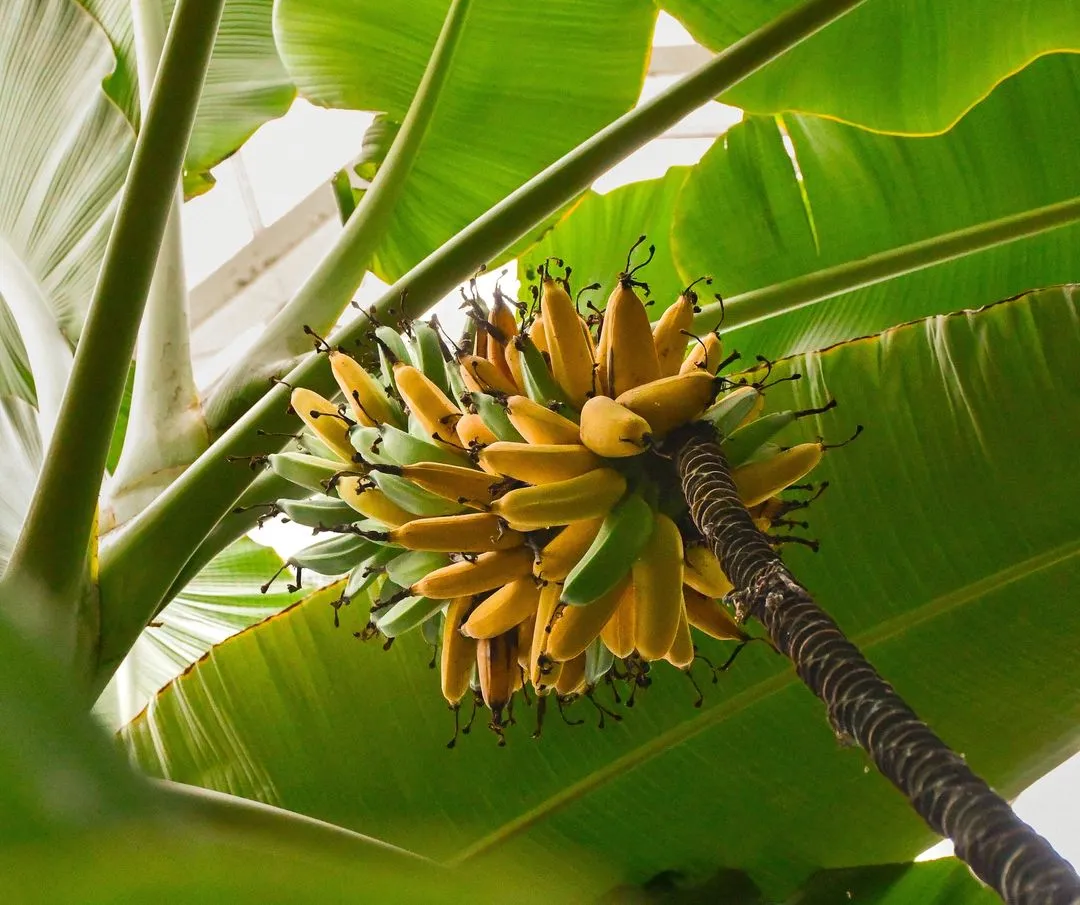
Above the understory is the canopy. In this layer you’ll see fruiting plants, including the banana plant, orange, tamarind, pomello, guava and coconut palm. The canopy also includes trees harvested for their wood, such as teak, mahogany and ebony. In a natural rainforest, this is the most active layer and where most animals are found.
At the top is the emergent layer, which reaches above the other plants in the forest and receives the most sunlight. Plants here include the Canary Date Palm, the tallest tree in the Tropical Dome.
Orchids
The orchid family is one of the most varied plant species in the world, with over 25,000 species and hybrids. Orchids grow worldwide and can be found everywhere from the Australian desert to the Alaskan tundra. Many orchids are epiphytes, also known as air plants, they grow on other plants without the support of soil and gather moisture and nutrients from the air. Inside the Tropical Dome you’ll see a variety of our award-winning orchids.
Edible Fruits
In this Dome you’ll find tropical fruit trees including star fruit, banana, oranges, and guava. You’ll discover the source of chocolate and cocoa as well as flavorings such as vanilla from the vining vanilla orchid. You will also find spices such as cardamom, turmeric, and black pepper.
Despite its name, however, the Sausage Tree is not actually an edible plant.
Insecticides
The neem tree (Azadirachta indica) and Derris plants provide insecticides. This allows the plants to thrive without introducing toxins and chemicals that could potentially damage the natural ecosystem.
AT THE DOMES

Domes Reimagined Plan: The Future of the Domes
Learn More
Fall Show 2026: Treasure of the MUMmies September 19th – November 8th
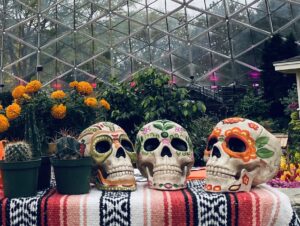
Día de los Muertos (Day of the Dead), October 30th, 6 PM – 9 PM